Why Some Ballparks Are Actually Beloved (And Others Aren’t)
Izak Tareb
September 19, 2026
Baseball stadiums have an unusual influence on the sport. In football or basketball, the playing surface is largely standardized. Baseball is different. One stadium can have a towering wall in left field, another can have an enormous outfield, and another can place the seats unusually close to the action.
Those differences are not accidents. They are part of baseball.
But dimensions alone do not explain why fans become emotionally attached to certain ballparks while treating others as interchangeable buildings. The most beloved stadiums tend to combine history, location, architecture, atmosphere, traditions, and a sense that the park belongs specifically to its city.
A great ballpark does more than contain a baseball game. It becomes part of the experience of following the team.
Baseball stadiums are allowed to have personalities
One of baseball’s strangest features is that major-league fields do not all have identical dimensions.
The distance from home plate to the outfield wall can vary from stadium to stadium. Walls can have different heights. Foul territory can be larger or smaller. Outfield shapes can be symmetrical or deliberately unusual.
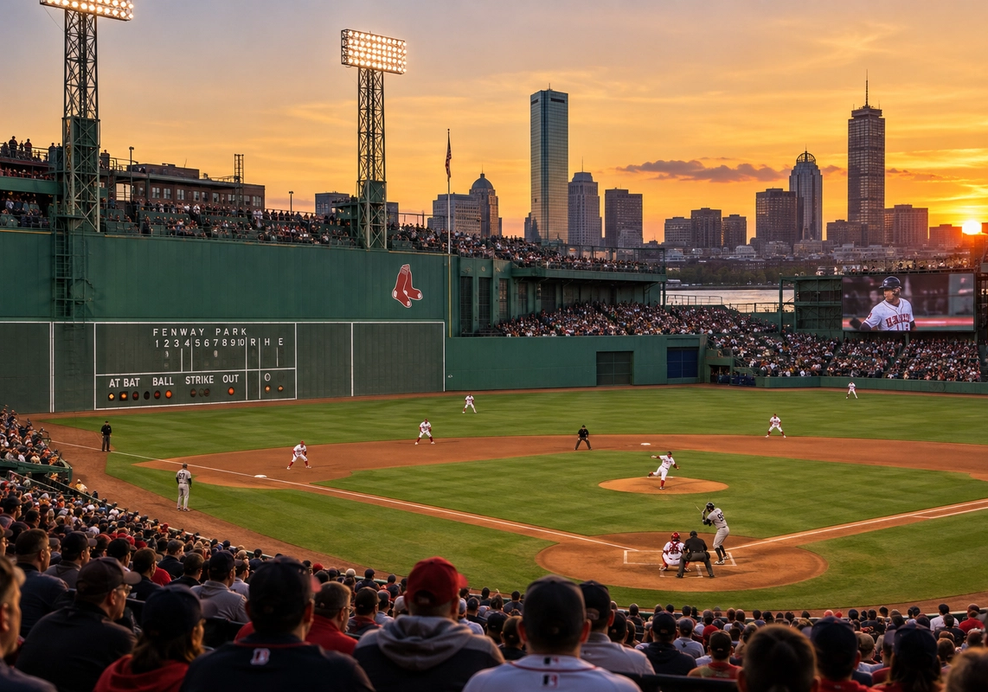
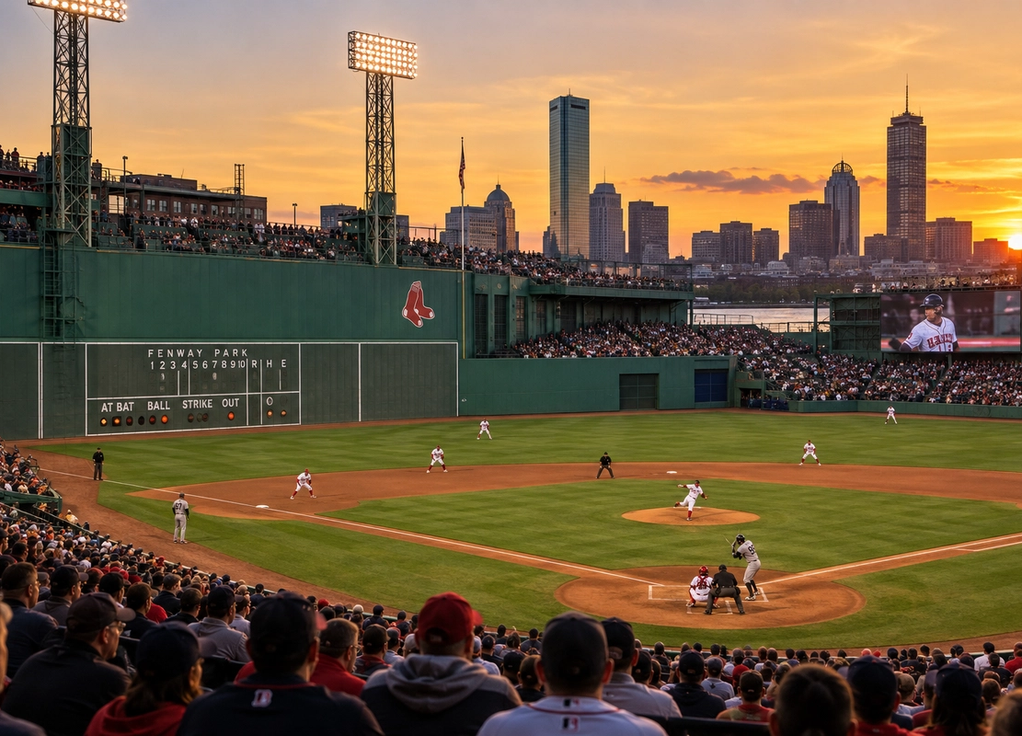
Fenway Park in Boston provides the most famous example.
Its towering left-field wall, the Green Monster, completely changes how certain balls behave. A hit that might become a home run somewhere else can slam into the wall for a double.
At Oracle Park in San Francisco, the dimensions near right field and the surrounding waterfront create a completely different visual and strategic environment.
These quirks give stadiums identities.
Fans can recognize the field before anyone tells them where the game is being played.
History makes ordinary spaces feel important
Old stadiums accumulate memories.
A particular section of seats may overlook the location of a famous home run. A wall may have witnessed generations of players. Families may attend games in the same park across decades.
That creates something new stadiums cannot instantly manufacture: memory.
Fenway Park and Wrigley Field are beloved partly because they connect modern fans to much earlier versions of baseball.
The buildings themselves have become historical artifacts.
They are imperfect by modern stadium standards. Some seats may have awkward views. Concourses can feel cramped. Facilities may not have been designed for contemporary expectations.
But those imperfections can become part of their appeal.
Fans are not simply visiting a venue.
They are visiting somewhere baseball history actually happened.
Location can completely change the experience
Some of the most successful ballparks feel integrated into their cities rather than isolated from them.
A fan can walk through a neighborhood, stop at a restaurant or bar, encounter thousands of other supporters, and gradually feel the game approaching before even seeing the field.
That journey matters.
Wrigley Field’s relationship with Chicago’s surrounding Wrigleyville neighborhood is a famous example. The stadium does not feel like an object dropped into an enormous parking lot. It feels embedded in the surrounding area.
Other ballparks use their natural surroundings.
PNC Park in Pittsburgh is celebrated for views that connect the stadium with the city’s skyline and bridges.
Oracle Park’s waterfront setting immediately tells viewers that they are in San Francisco.
A stadium becomes more memorable when it could not easily exist anywhere else.
Sightlines matter more than people realize
Atmosphere cannot compensate for a terrible view forever.
One reason modern stadium design became more sophisticated was the growing emphasis on bringing spectators closer to the field and improving sightlines.
Baseball contains many small details.
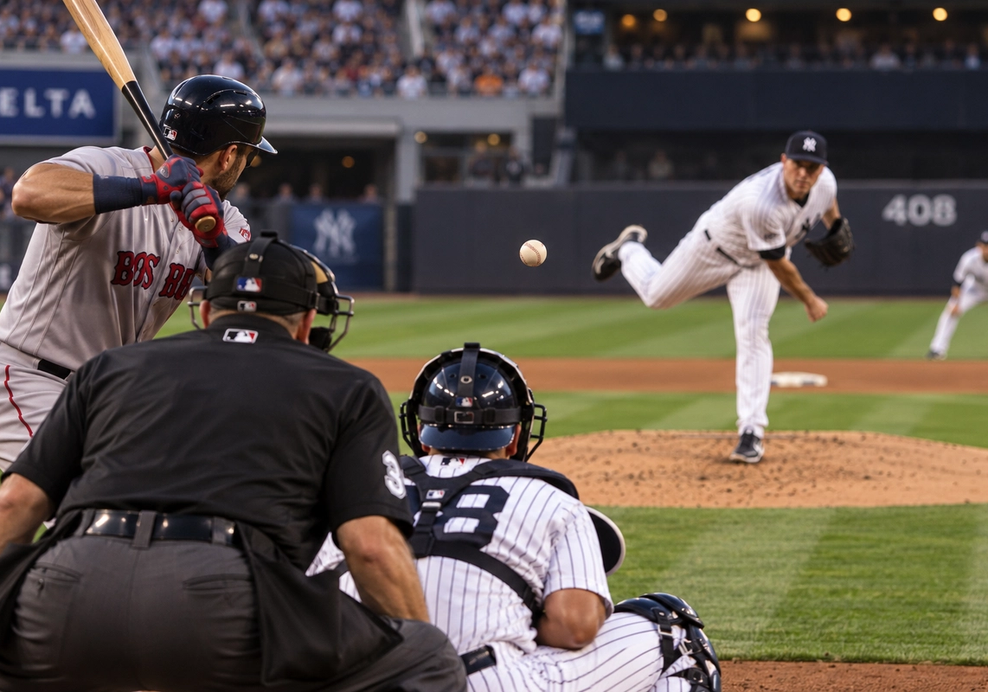
Fans want to see the pitcher-batter confrontation clearly. They want to follow runners moving between bases. They want to understand where a fly ball is traveling.
When seats feel too distant or poorly angled, spectators become disconnected from the game.
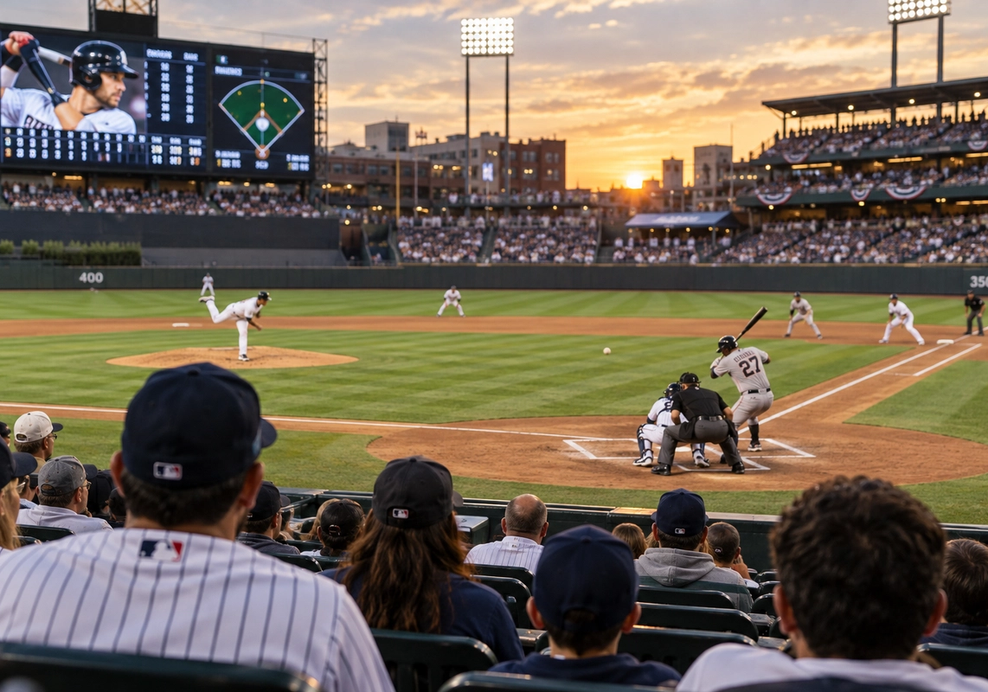
The best parks make large crowds feel surprisingly intimate.
Even when tens of thousands of people are present, the field remains the visual center of everything.
That sounds obvious.
It is surprisingly difficult to design well.
Noise should feel natural
A loud stadium is not automatically a great stadium.
There is a difference between manufactured noise and atmosphere generated by the crowd.
Beloved ballparks develop recognizable rhythms.
Fans react to two-strike counts. They stand during crucial late innings. Certain songs become associated with particular moments. Vendors, chants, organ music, and crowd reactions blend into the experience.
The atmosphere feels strongest when spectators understand the game and collectively react to what is happening.
A tense 3-2 pitch with runners on base does not need constant entertainment.
The tension itself is the entertainment.
Great baseball environments know when to become loud and when to let the game breathe.
Traditions give stadiums emotional identity
Baseball is unusually good at creating rituals.
Fans may sing the same song during a particular inning. A stadium may have a distinctive celebration after home runs. Certain foods become inseparable from attending games there.
These traditions can seem insignificant individually.
Repeated for years, they become powerful.
People begin associating them with childhood, family members, memorable games, and entire periods of their lives.
That emotional connection cannot easily be created through stadium architecture alone.
A beautiful new building might impress visitors.
A beloved ballpark makes regular fans feel like they are returning somewhere familiar.
Food matters because baseball is a long experience
Baseball stadium food occupies an unusually important place in the culture of the sport.
Part of the reason is simple: baseball games traditionally give fans time to eat, talk, walk around, and experience the stadium itself.
The best parks increasingly reflect their cities through food.
Instead of offering only generic hot dogs and nachos, stadiums can incorporate local restaurants, regional specialties, and foods strongly associated with the area.
This strengthens the connection between stadium and city.
Food becomes another answer to the question: “Where am I?”
If the stadium experience feels exactly the same in Boston, San Diego, Seattle, and Atlanta, something has been lost.
Bad stadiums often feel disconnected
Unpopular stadiums are not always objectively terrible buildings.
Sometimes they simply fail to create attachment.
A stadium surrounded by enormous parking areas and highways can feel isolated from its city. A multipurpose venue may have awkward seating because it was designed for several sports rather than specifically for baseball.
Some stadiums feel cavernous when attendance is low.
Others may technically provide every modern amenity but lack distinctive architectural features.
This creates one of the central challenges of stadium design.
Comfort matters.
But comfort alone does not create character.
A perfectly functional stadium can still feel forgettable.
Too much luxury can change the atmosphere
Modern professional sports venues increasingly depend on premium seating, suites, clubs, restaurants, and hospitality spaces.
Financially, that makes sense.
But there can be a trade-off.
When the best seats become extremely expensive, the people closest to the field may not always be the loudest or most emotionally invested supporters.
Meanwhile, longtime fans can feel increasingly separated from the experience.
The strongest stadium atmospheres usually require a broad mixture of people.
Die-hard supporters, families, tourists, longtime season-ticket holders, and casual fans all contribute something different.
A ballpark works best when it feels like a public gathering rather than an exclusive corporate event.
Winning helps, but it cannot explain everything
Fans naturally enjoy stadiums more when their teams are successful.
A playoff game can make almost any venue feel electric.
But winning does not fully explain why certain ballparks remain beloved through terrible seasons.
That attachment comes from repetition.
People remember attending games with parents. They remember their first home run. They remember summer evenings, particular seats, familiar entrances, and the walk toward the stadium.
Eventually, the building becomes connected to personal history.
That is why replacing an old stadium can become emotional even when the new building is objectively more comfortable.
Fans are not mourning concrete and steel.
They are mourning memories attached to a place.
The best ballparks feel impossible to copy
The most memorable stadiums usually have something that would feel strange if another city copied it exactly.
Fenway has the Green Monster.
Wrigley has its ivy-covered outfield walls and neighborhood setting.
PNC Park has its relationship with Pittsburgh’s skyline and bridges.
Oracle Park has the waterfront.
These features create identity because they belong to specific places.
That is ultimately what separates a beloved ballpark from a merely functional one.
The best stadium does not necessarily have the largest scoreboard, the most expensive suites, or the newest technology.
It has character.
You walk inside and immediately know where you are.
And after enough games, generations of memories become attached to that place until the stadium itself feels like part of the team.