How Sports Actually Shape Culture (And Vice Versa)
Jaimie Lee
September 19, 2026
Sports are often described as entertainment, but that explanation has never been quite big enough. A soccer match can become a national event. A basketball player can influence how millions of teenagers dress. A stadium can become one of the most recognizable places in a city. Entire families can organize weekends around teams they have supported for generations. At the same time, sports do not develop separately from the societies around them. Culture determines which games become popular, who gets to participate, what athletes are expected to represent, and even how fans behave. Sports shape culture, but culture is constantly reshaping sports in return.
Sports give communities a shared language
One reason sports become culturally powerful is that they create something people can experience together. Two strangers may have completely different jobs, backgrounds, ages, or political opinions, yet immediately find common ground when they discover they support the same team. The sport provides shared memories, references, rituals, heroes, and disappointments. A famous goal from 20 years ago can still produce an entire conversation between people who have never met.
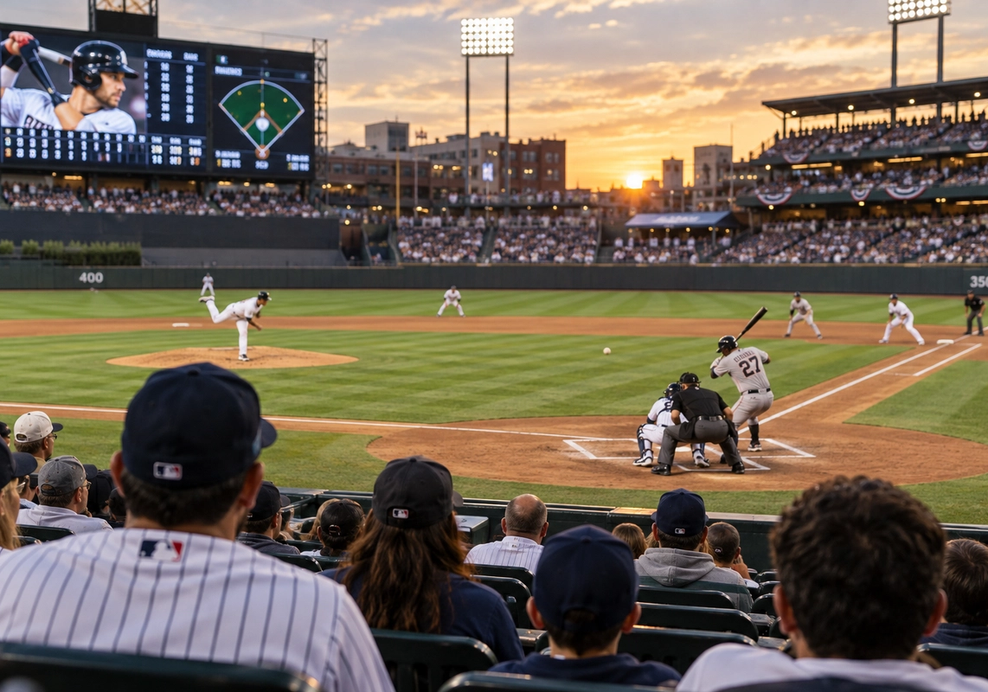
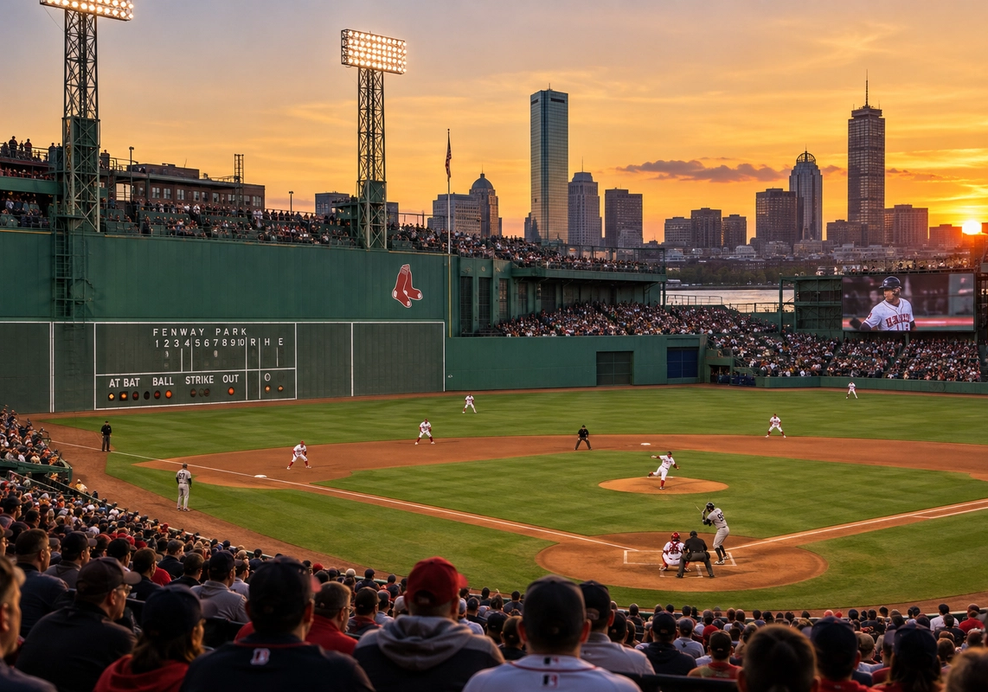
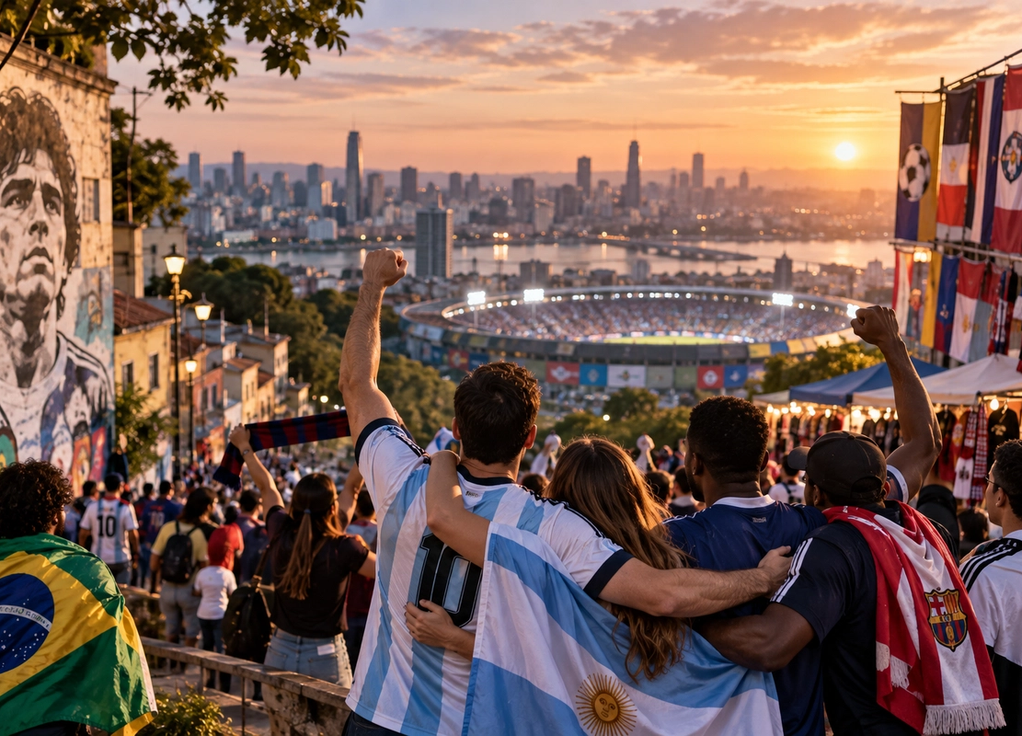
This becomes particularly visible with local clubs. Teams can become connected to neighborhoods, cities, universities, workplaces, or regions. Supporting them becomes partly about belonging to the place they represent. The stadium is therefore more than somewhere a game happens. It becomes a meeting point where thousands of people repeatedly perform the same rituals together, from wearing certain colors to singing songs that previous generations of supporters also sang.
National teams can turn sports into cultural events
International competitions intensify this connection because teams temporarily become symbols of entire countries. People who normally have little interest in sports may suddenly watch the World Cup, Olympics, or another major international tournament. Streets become quieter during important matches, flags appear in windows, and public squares fill with supporters.
The athletes themselves can become connected to broader national stories. A successful team may be celebrated as evidence of resilience, progress, unity, or a new generation emerging. These interpretations often go far beyond what happened on the field. A tournament lasts only a few weeks, but the memories can become part of a country’s cultural history for decades.
At the same time, national teams can reveal how complicated modern identity actually is. Many athletes grow up in multicultural families, migrate between countries, or have several national identities available to them. Sports can therefore become a visible place where societies discuss belonging, immigration, representation, and what nationality means in an increasingly connected world.
Sports create rituals that survive generations
Many sports traditions make very little sense to outsiders, which is partly what makes them powerful. Supporters wear the same scarves, visit the same pubs, perform the same chants, and follow routines that have existed for decades. Families pass team loyalty from parents to children almost like an inheritance.
These rituals create continuity. Players eventually retire. Coaches leave. Stadiums may even be replaced. But supporters maintain the story.
This is why changing a club’s badge, colors, stadium name, or traditions can produce surprisingly emotional reactions. From a business perspective, these might appear to be branding decisions. To supporters, they can feel like someone is changing part of their personal history.
Sport becomes culturally important when people stop experiencing it simply as a product and begin treating it as something they belong to.
Athletes influence fashion, language, and lifestyle
The cultural influence also moves outward from the field.
Athletes have long shaped fashion. Basketball helped turn sneakers into major cultural objects. Soccer shirts moved from stadium clothing into everyday streetwear. Tennis influenced fashion far beyond tennis clubs. Athletes have launched clothing lines, appeared in major advertising campaigns, and helped transform sportswear into ordinary clothing.
Language travels through sports too. Phrases that begin inside games eventually enter everyday conversation. People talk about being “on the same team,” “moving the goalposts,” “dropping the ball,” or needing a “game plan” even when no sport is involved.
Athletes also influence hairstyles, celebrations, training habits, diets, and social media behavior. When a globally famous player adopts a particular style or celebration, children may reproduce it on playgrounds thousands of kilometers away within days.
Culture determines which sports become important
The influence works equally strongly in the opposite direction.
Different societies value different sports because those sports developed within particular histories. Soccer became deeply embedded across much of Europe, Africa, and Latin America. Cricket developed enormous cultural significance across countries including India, Pakistan, Australia, England, and the Caribbean. American football became closely connected to school, university, and professional sporting culture in the United States.
There is nothing inevitable about these preferences.
People usually become interested in the sports available around them. Children play what their friends play. Schools support particular activities. Television networks broadcast certain leagues. Parents introduce children to the sports they understand.
Popularity then reinforces itself. More fans create more money. More money creates better facilities, professional opportunities, media coverage, and youth programs. Those systems produce another generation of athletes and supporters.
Sports can reflect social change
Because sports exist inside society, changes in society eventually appear within sports.
Questions about race, gender, class, disability, sexuality, nationality, and equality have repeatedly played out through athletic competition. Who is allowed to participate? Who receives investment? Who receives media attention? Who becomes a coach or executive? Which athletes are considered acceptable public figures?
These questions evolve alongside the cultures asking them.
Women’s sports provide a particularly clear example. In many places, women historically had far fewer opportunities to participate professionally or receive serious institutional support. As attitudes toward women’s participation in public and professional life changed, sporting opportunities expanded too. Increased visibility then created its own cultural effect by giving younger athletes new role models and making women’s competition more familiar to audiences.
Sport reflects cultural change while also helping accelerate it.
Technology has created a global sports culture
For much of sports history, fandom was heavily geographical. People generally followed teams they could watch locally or read about in newspapers.
Television changed that. The internet changed it again.
A teenager in Asia can now follow a European soccer club every day. A basketball fan in Europe can watch NBA highlights minutes after a game. Athletes communicate directly with millions of followers through social media without needing traditional broadcasters.
This has created global fan communities that would once have been impossible.
It has also changed how athletes become famous. Performance remains central, but personality, fashion, online presence, sponsorships, documentaries, and personal storytelling now contribute to an athlete’s cultural influence.
Some people may know an athlete’s social media personality before they have ever watched an entire match.
Money changes sporting culture
As sports become culturally powerful, they become commercially valuable.
Broadcasters pay for rights. Brands sponsor teams and athletes. Investors purchase clubs. Stadiums sell naming rights. Leagues expand internationally.
Commercial growth can improve facilities, salaries, broadcasting quality, and opportunities for athletes. It can also create tension with traditional supporters.
Fans may feel that ticket prices are becoming inaccessible, schedules are designed for television rather than local audiences, or clubs increasingly treat supporters as customers instead of members of a community.
This creates one of modern sport’s central tensions: the same popularity that makes a sport financially successful can change the culture that created its popularity in the first place.
Sports preserve memories differently from ordinary entertainment
People remember sports through moments.
Ask someone about a championship their team won decades ago and they may remember exactly where they were sitting, who was beside them, and what happened afterward.
The game becomes attached to personal memory.
A father remembers watching with his daughter. Friends remember celebrating together in the street. Someone remembers listening secretly during work. Another person remembers being a child and seeing their sporting hero for the first time.
This emotional attachment explains why sports history feels unusually personal.
People do not simply remember what happened.
They remember where they were when it happened.
Culture also changes how athletes are judged
Different generations expect different things from sports stars.
In earlier eras, fans often knew athletes primarily through games, newspapers, and occasional interviews. Today, athletes can be expected to maintain public identities continuously.
Fans see their homes, families, vacations, training sessions, sponsorships, opinions, and mistakes.
That visibility creates opportunity, but it also changes expectations.
Athletes are increasingly treated as entertainers, brands, influencers, and public representatives in addition to competitors. A player’s cultural significance can therefore become much larger than their sporting role.
Whether that is fair is another question. But it demonstrates how thoroughly sport has merged with broader celebrity culture.
Sports and culture continuously remake each other
There is no clean line separating sports from society.
Sports absorb the values, conflicts, technologies, inequalities, fashions, and identities of the cultures around them. Then they send those influences back into society through athletes, fans, teams, traditions, and unforgettable moments.
That is why a game can become much more than a game.
A jersey can represent a city. A stadium can hold generations of family memories. An athlete can change fashion. A national team can briefly give millions of people the same thing to talk about.
The rules may define what happens during the competition, but culture determines what that competition means.
And once enough people care about it, sport begins changing the culture that created it.